


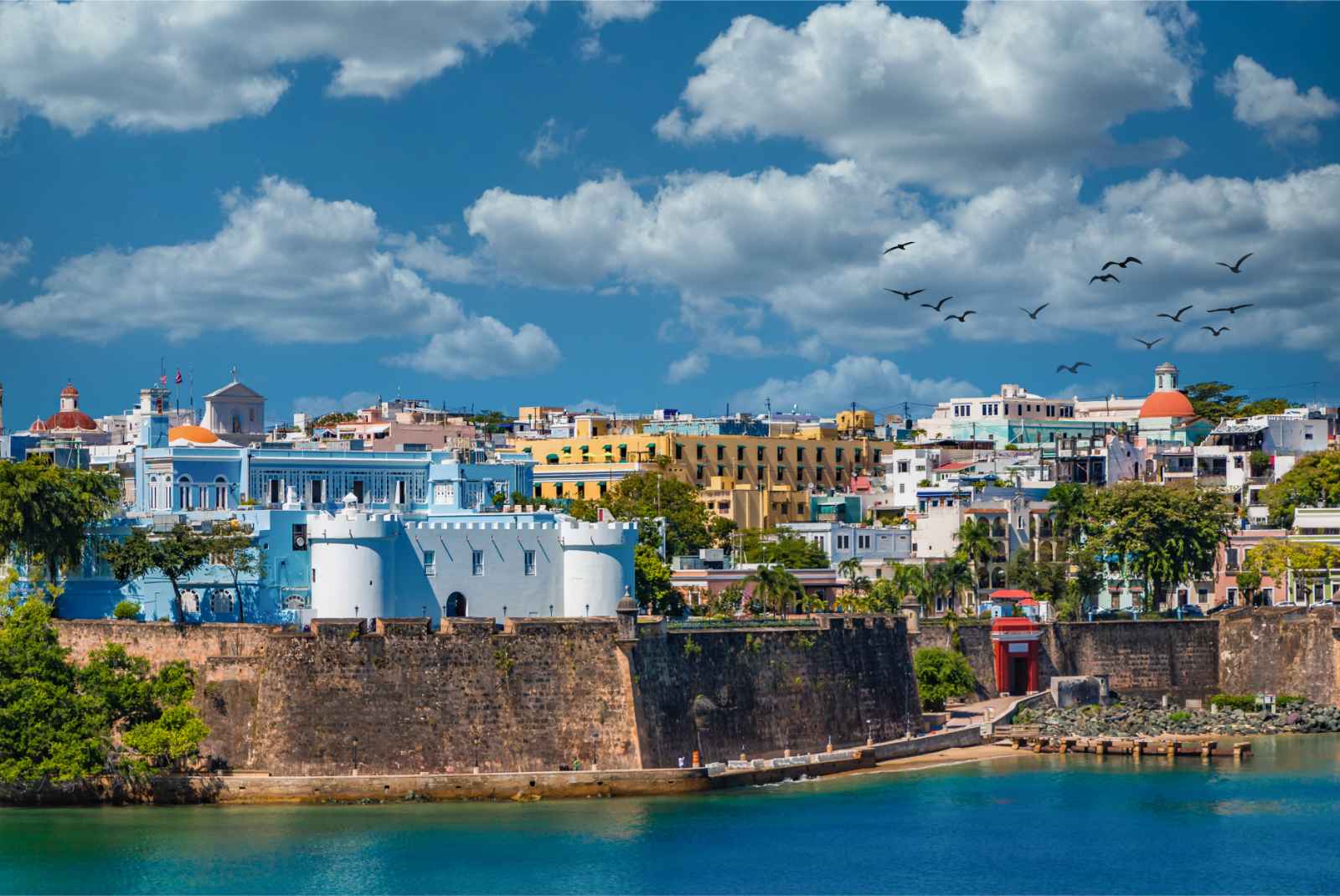
Is Puerto Rico Safe to Visit in 2026. Puerto Rico has long been a crown jewel of the Caribbean, offering a blend of Spanish, Taino, and African cultures, stunning tropical landscapes, and world-class beaches.
As we navigate through 2026, the question on many travelers’ minds is whether the “Island of Enchantment” remains a safe bet for a vacation.
The short answer is: Yes, Puerto Rico is generally safe for travelers. In fact, it continues to be one of the safest destinations in the Caribbean, with crime rates lower than many major cities in the continental United States.
However, 2026 brings specific regional updates—from geopolitical shifts to environmental changes—that every visitor should understand before booking their flight.
The 2026 Safety Landscape: Recent Updates
Traveling to Puerto Rico in 2026 requires an awareness of two major external factors that have impacted the region recently: regional aviation alerts and climate resilience.
Regional Aviation and Tensions
In early 2026, the Caribbean experienced a brief period of aviation uncertainty following U.S. military operations in nearby Venezuela. While the San Juan Flight Information Region (which covers Puerto Rico) remains fully operational, the FAA has maintained “cautionary notices” for the area. Travelers may notice slightly more airport congestion or rerouted flight paths, but commercial travel to Luis Muñoz Marín International Airport (SJU) is stable.
Infrastructure and Power Stability
Since the devastating hurricanes of the late 2010s, Puerto Rico has invested billions into a “Climate-Hardened” power grid. In 2026, the frequent blackouts that plagued the island for years have significantly decreased. However, minor outages can still occur during heavy rain. Most major hotels and resorts in tourist zones like Condado and Isla Verde are now equipped with high-capacity backup generators, ensuring that guests remain comfortable regardless of the grid’s status.

Crime in Puerto Rico: Myth vs. Reality
When looking at 2026 crime statistics, it is important to distinguish between crime that affects residents and crime that affects tourists. Like any major destination, Puerto Rico has its challenges, but they are rarely directed at visitors.
Petty Theft: The Most Common Concern
The most frequent issue for tourists in 2026 is petty theft, specifically “smash-and-grab” incidents from rental cars. This usually happens at popular trailheads in El Yunque National Forest or at secluded beaches.
- The Rule of 2026: Never leave anything—not even a beach towel or an empty bag—visible in your car. If the car looks empty, it is much less likely to be targeted.
Neighborhood Safety
Most violent crime on the island is localized and linked to the drug trade, occurring in areas where tourists have no reason to visit. In San Juan, the “tourist triangle” consisting of Old San Juan, Condado, and Isla Verde is heavily patrolled by the Policía Turística (Tourist Police) and is very safe for walking during the day and evening.
Areas to Approach with Caution:
- La Perla: While this neighborhood in Old San Juan has become a popular photo spot thanks to its colorful houses, it is still a residential community with its own local codes. Stick to the main perimeter during the day and avoid wandering deep into its alleys at night.
- Public Housing Projects: Locally known as residenciales, these areas are best avoided by tourists.
Health and Environmental Safety
In 2026, the health landscape in Puerto Rico is focused on “tropical awareness.”
Mosquito-Borne Illnesses
Dengue fever and Zika remain present in the Caribbean. However, 2026 has seen a surge in community-led “Vector Control” programs that have drastically reduced mosquito populations in urban areas.
- Traveler Tip: Wear insect repellent containing DEET or Picaridin, especially if you are visiting the rainforest or staying in the lush interior mountains.
Water Safety and Riptides
The Atlantic side of the island (the North Coast) is known for its beauty but also its power. Riptides are a significant safety hazard.
- Guideline: Only swim at beaches with lifeguards, such as Luquillo Beach or Escambron Marine Park. In 2026, new digital warning flags have been installed at major beaches—pay close attention to red flag warnings.
Tap Water
One of the best “safety” perks of Puerto Rico is that the tap water is treated to U.S. EPA standards. In 2026, it is perfectly safe to drink the tap water in San Juan and other major cities, which saves you money and reduces plastic waste.
Safest Areas to Stay in 2026
Choosing the right base can make all the difference in your perceived safety.
- Condado (San Juan): Often called the “Beverly Hills of San Juan,” this area is highly walkable, upscale, and very safe for families and solo travelers.
- Dorado: Located about 30 minutes west of San Juan, this is a gated, luxury community perfect for those seeking maximum security and privacy.
- Rincón: On the west coast, Rincón is a laid-back surf town. It has a high population of expats and a very low crime rate, making it one of the safest spots for long-term stays.
- Palmas del Mar: A master-planned community in Humacao that functions like its own mini-city with 24/7 security.
Solo and Women’s Travel Safety
Puerto Rico remains a top choice for solo female travelers in 2026. The culture is generally respectful, though “catcalling” can occasionally occur in busy urban areas.
Solo Safety Strategies:
- Use Rideshares: Uber is widely available and safe in the San Juan metro area. It is preferred over walking alone through unfamiliar neighborhoods at night.
- Stay Connected: Mobile service for U.S. carriers is seamless (no roaming fees), so you can always use GPS and stay in touch with family.
- Join Group Tours: For activities like the Bio-Bay in Vieques or hiking in El Yunque, joining a certified group tour adds a layer of safety and expert guidance.
Natural Disasters: The Hurricane Season
Hurricane season in 2026 runs from June 1 to November 30. While the island has become incredibly efficient at rebuilding, a major storm can still disrupt travel. If you are visiting during these months:
- Purchase Travel Insurance: Ensure it covers “cancel for any reason” or specifically mentions weather-related disruptions.
- Monitor the NHC: Use the National Hurricane Center website for real-time updates.
- Stay in Newer Resorts: Buildings constructed or renovated after 2018 follow much stricter wind-load codes.
Final Verdict: Should You Go?
Puerto Rico is a vibrant, welcoming, and safe destination for those who exercise “urban common sense.” By staying in well-traveled areas, securing your valuables, and respecting the local environment, you can enjoy all the island has to offer without worry.
Whether you’re exploring the 500-year-old forts of Old San Juan or sipping a piña colada in a beachside parador, the Island of Enchantment is ready for you in 2026.
More Stories
Hidden Gems: Unforgettable Travel Destinations You’ve Never
Dream Stays, Seamless Journeys: Mastering Booking & Planning for Unforgettable Adventures
Unlocking Hidden Gems: Creative Travel Hacks and Unexpected Adventures