


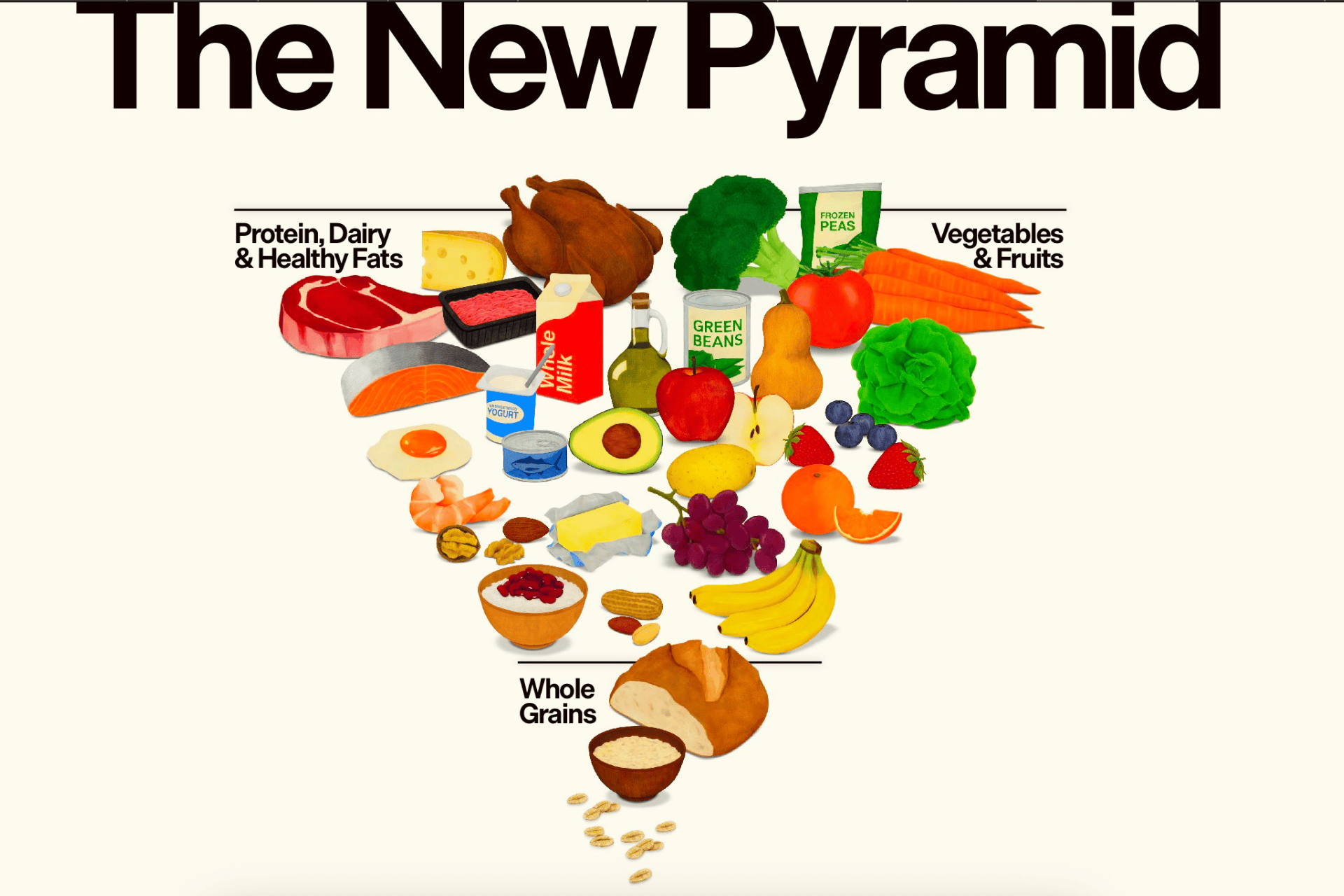
How the 2026 Food Pyramid Changes Eating Habits. In recent years, dietary guidelines have undergone significant transformations in response to emerging research on nutrition, health trends, and global health challenges.
The introduction of the new 2026 Food Pyramid is a pivotal moment in this evolution, aiming to provide a clearer, more comprehensive framework for healthy eating. With an emphasis on sustainability, nutrient density, and holistic well-being, this updated version redefines how individuals approach food choices and fosters long-term health improvements.
The How the New 2026 Food Pyramid is Redefining Healthy Eating introduces a model that focuses not only on balancing macronutrients but also on environmental considerations, cultural relevance, and the integration of modern scientific findings.
In this article, we explore how the updated pyramid is transforming dietary patterns, offering valuable insights into how the new guidelines aim to reshape eating habits for the better.
The Evolution of the Food Pyramid: A Brief History
The original food pyramid, introduced in 1992 by the United States Department of Agriculture (USDA), was a breakthrough in simplifying complex nutritional science into a digestible format for the general public. It divided food into categories based on their nutritional content, with grains at the base, vegetables and fruits above them, and protein and fats toward the top. While this pyramid provided a foundation for understanding balanced eating, it failed to adapt quickly enough to emerging research on the benefits of plant-based diets, healthy fats, and portion control.
In recent years, experts recognized the need for a more flexible, nuanced approach that acknowledged the role of environmental sustainability, food processing, and personalized nutrition. Enter the How the New 2026 Food Pyramid is Shaping Future Eating Habits—a more dynamic and responsive tool that integrates the latest scientific research and takes into account the broader societal impacts of food choices.
Key Changes in the 2026 Pyramid
One of the major shifts in the 2026 Food Pyramid is its focus on plant-based eating and the promotion of nutrient-dense foods. Where previous iterations were heavily influenced by traditional food groups such as grains, meat, and dairy, the new model encourages the consumption of more plant-based proteins, legumes, nuts, seeds, and whole grains, while reducing reliance on animal-based products. This change reflects the growing body of evidence linking plant-forward diets with reduced risks of chronic diseases such as heart disease, diabetes, and certain cancers.
Another notable shift is the emphasis on food sustainability. As concerns about climate change and environmental degradation intensify, the How the New 2026 Food Pyramid Promotes Healthier Eating Choices advocates for sourcing food in ways that have a minimal ecological footprint. This includes eating locally sourced, seasonal foods and reducing food waste. Moreover, the pyramid acknowledges the importance of culturally diverse diets and encourages the incorporation of foods from various ethnic traditions, creating a more inclusive model that resonates globally.

The Structure of the 2026 Food Pyramid
While the basic structure of the food pyramid remains intact, the 2026 version introduces several layers of complexity to better guide individuals toward healthier eating habits. The pyramid is divided into six primary sections, each with a specific focus on promoting balanced, nutrient-dense diets.
1. Plant-Based Foods: The Foundation of the Pyramid
At the base of the pyramid, plant-based foods, particularly vegetables, fruits, whole grains, legumes, nuts, and seeds, take precedence. This is a significant shift from earlier iterations, where grains were more heavily emphasized. The new pyramid stresses the importance of consuming a wide variety of colorful fruits and vegetables, as these foods are rich in essential vitamins, minerals, and antioxidants that promote optimal health.
Whole grains, such as quinoa, brown rice, oats, and barley, are highlighted for their fiber content, which supports digestive health and stabilizes blood sugar levels. Legumes, such as lentils, chickpeas, and beans, are also emphasized for their high protein content, making them an excellent substitute for animal-based proteins.
2. Healthy Fats: Redefining Dietary Fat
While fats were previously lumped together at the top of the pyramid as a smaller portion of the diet, the new guidelines recognize the importance of healthy fats. The How the New 2026 Food Pyramid is Redefining Healthy Eating highlights sources of unsaturated fats such as olive oil, avocado, nuts, and fatty fish like salmon and mackerel. These fats are shown to support heart health, reduce inflammation, and improve overall well-being.
The new pyramid also places a strong emphasis on omega-3 fatty acids, which have been linked to improved brain function, reduced risk of cardiovascular disease, and better skin health. In contrast, unhealthy trans fats and excessive saturated fats are advised to be limited, as they contribute to an increased risk of heart disease and obesity.
3. Protein: Shifting Toward Plant-Based Sources
Protein, once heavily dominated by animal products like meat, poultry, and dairy, now includes a broader range of plant-based options. The How the New 2026 Food Pyramid is Leading the Way to Better Health encourages the incorporation of plant-based proteins such as tofu, tempeh, edamame, and plant-based meat alternatives. These foods not only provide protein but also offer a range of other nutrients such as fiber, iron, and magnesium.
Animal proteins, including lean meats, eggs, and dairy, are still included in the pyramid but are now recommended in moderation. The new guidelines reflect the growing recognition that plant-based diets are more sustainable and beneficial for long-term health, as they are linked to lower rates of chronic diseases and a smaller environmental impact.
4. Dairy Alternatives and Fermented Foods
Dairy products, which were once a prominent part of the food pyramid, now share space with plant-based alternatives. Non-dairy milk, such as almond milk, oat milk, and soy milk, is highlighted as an alternative for those who are lactose intolerant or prefer plant-based options. Fermented foods like yogurt, kefir, kimchi, and sauerkraut are also encouraged for their benefits to gut health. These foods are rich in probiotics, which promote a healthy microbiome and strengthen the immune system.
5. Hydration: The Overlooked Essential
Water and other hydrating beverages are given their own section in the 2026 pyramid. The importance of staying hydrated is often underestimated, but it is an essential component of maintaining overall health. The How the New 2026 Food Pyramid is Shaping Future Eating Habits encourages individuals to drink plenty of water, herbal teas, and other hydrating, low-calorie beverages. It also suggests limiting sugary drinks, such as soda, which contribute to weight gain and increased risk of metabolic diseases.
6. Mindful Eating and Balanced Portions
The final layer of the pyramid focuses on the behavioral aspect of eating. This section emphasizes the importance of eating mindfully, paying attention to hunger and fullness cues, and avoiding overeating. The new pyramid encourages smaller, balanced portions that align with individual energy needs, moving away from the “one-size-fits-all” approach of previous dietary guidelines.
The How the New 2026 Food Pyramid Promotes Healthier Eating Choices also highlights the role of meal planning and preparation, stressing the need for a balanced approach to food rather than fad dieting or extreme restrictions. It advocates for a sustainable way of eating that promotes long-term health and well-being, rather than short-term weight loss.
The Benefits of the 2026 Food Pyramid
The updated 2026 Food Pyramid is not just a tool for creating a balanced plate; it is a call to action for improving public health, reducing food waste, and contributing to a more sustainable food system. Here are some of the key benefits of this new framework:
1. Improved Public Health
By prioritizing nutrient-dense, plant-based foods, the 2026 Food Pyramid aims to reduce the incidence of chronic diseases such as obesity, diabetes, and heart disease. It also highlights the importance of a balanced approach to eating, encouraging individuals to consume a variety of foods that provide essential vitamins and minerals.
2. Sustainability
The pyramid’s emphasis on plant-based foods and locally sourced, seasonal ingredients promotes a more sustainable food system. By reducing reliance on animal agriculture, the guidelines aim to lower the environmental impact of food production and help mitigate the effects of climate change. The promotion of sustainable food choices also reduces food waste, as people are encouraged to eat what’s in season and use more of the food they purchase.
3. Cultural Relevance
The new food pyramid acknowledges the importance of cultural diversity in food choices. It encourages individuals to explore foods from different ethnic traditions and adapt the pyramid to their personal dietary preferences. This inclusivity makes the guidelines more relevant and accessible to a broader population, promoting a healthy eating culture that is both flexible and diverse.
4. Practicality
Unlike previous versions of the pyramid that might have been seen as overly rigid or difficult to follow, the 2026 version encourages flexibility. The focus on portion control, mindful eating, and sustainability makes it easier for individuals to adopt these guidelines into their daily lives without feeling overwhelmed. The pyramid’s design encourages healthy habits that can be sustained in the long term, rather than quick fixes or temporary diets.
How to Implement the 2026 Food Pyramid in Your Daily Life
Adopting the principles of the new 2026 Food Pyramid may seem daunting at first, but with a few simple changes, anyone can start making healthier food choices. Here are some practical tips to get started:
- Prioritize Plant-Based Foods: Make vegetables, fruits, whole grains, legumes, and seeds the main focus of your meals. Start with small changes, like adding a side of roasted vegetables to your dinner or swapping out meat for a plant-based protein option.
- Incorporate Healthy Fats: Use olive oil for cooking, add avocados to salads, and enjoy a handful of nuts or seeds as a snack.
- Moderate Animal Proteins: While meat is still part of the pyramid, aim to consume smaller portions and incorporate plant-based proteins as often as possible.
- Drink More Water: Make water your primary beverage, and limit sugary drinks. Carry a reusable water bottle to stay hydrated throughout the day.
- Practice Mindful Eating: Pay attention to portion sizes and eat slowly to enjoy the flavors of your food. Listen to your body’s hunger cues and stop eating when you feel satisfied.
Conclusion
The How the New 2026 Food Pyramid is Leading the Way to Better Health represents a significant shift in the way we think about food, health, and the environment. By emphasizing plant-based eating, sustainability, and mindful portion control, this new pyramid is poised to shape future eating habits and improve public health on a global scale. As we move into a new era of food consciousness, the 2026 Food Pyramid provides a roadmap for healthier, more sustainable diets that are both nutritious and environmentally responsible.
More Stories
Can You Guess These 5 Hidden-Gem Recipes?
Unlock the Hidden Secrets of Fermented Food
The Ultimate Culinary Adventure: From Hidden Gems to Iconic Classics