


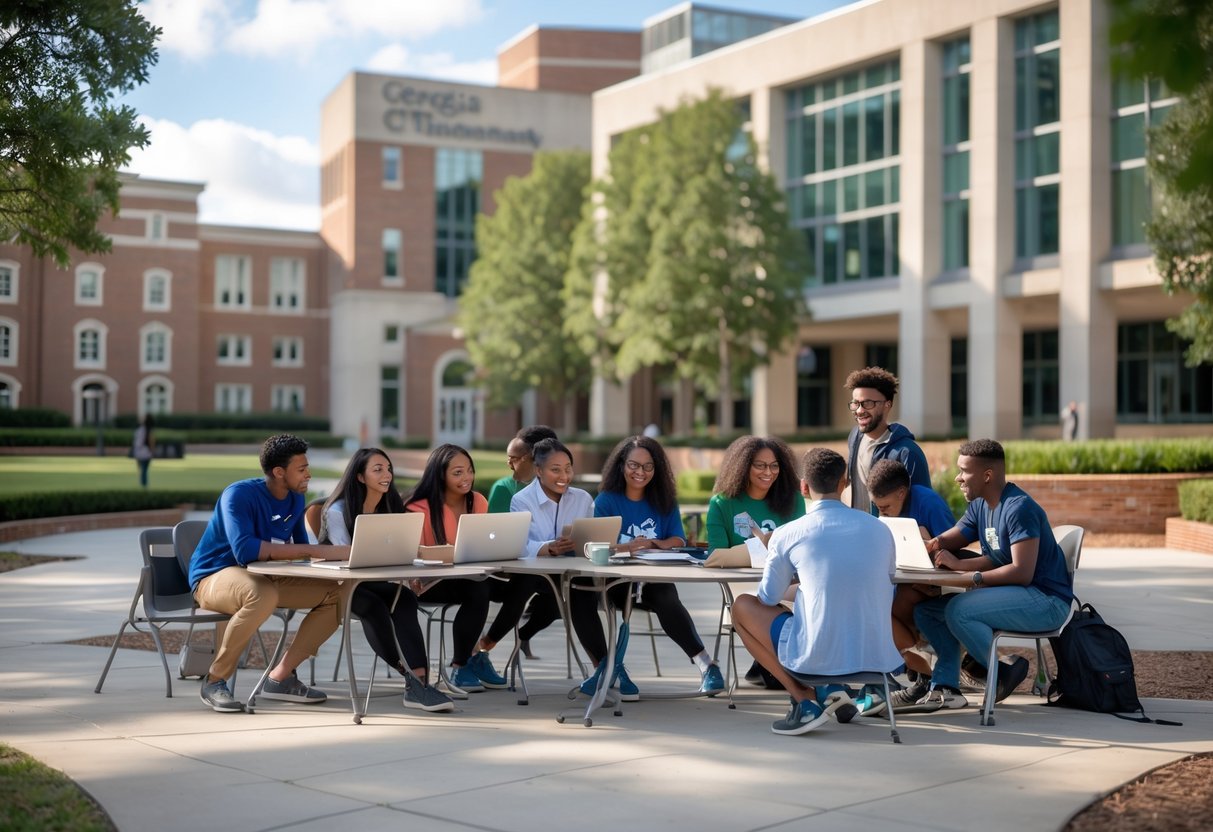
Georgia 2026 Student Finance. Navigating the complexities of financial aid can be overwhelming, especially when it comes to funding higher education. With the rising cost of college tuition and the increasing demand for financial assistance, students and families often find themselves seeking clarity on how to access and maximize the available resources.
In Georgia, the landscape of student finance has evolved to meet the needs of a diverse and growing student population. Whether you’re a high school graduate, an adult learner, or someone pursuing graduate studies, Georgia Student Finance 2026 offers a range of programs and options to ease the financial burden of education.
This comprehensive guide will explore Georgia Student Finance 2026, providing an in-depth look at the financial aid options, eligibility requirements, and steps to help students navigate the funding process.
From scholarships and grants to loans and work-study opportunities, understanding how to leverage these resources is key to making college education more accessible.
Georgia Student Finance 2026: A Complete Guide to Financial Aid Options
When it comes to paying for higher education, students in Georgia have access to a variety of financial aid options. These resources can significantly reduce the out-of-pocket expenses associated with tuition, fees, and other college-related costs. The state of Georgia offers several key programs, each designed to meet different financial needs and academic achievements.
1. HOPE Scholarship and HOPE Grant
One of the most well-known programs in Georgia is the HOPE Scholarship. Available to Georgia residents, the HOPE Scholarship is designed for students attending eligible postsecondary institutions, including universities and colleges in Georgia. The program is based on academic achievement, with eligibility requirements dependent on high school GPA and standardized test scores.
In addition to the HOPE Scholarship, Georgia also offers the HOPE Grant, which is aimed at students pursuing technical college programs and certificates. Unlike the HOPE Scholarship, the HOPE Grant does not require students to meet specific academic standards for high school performance. Instead, eligibility is typically determined by financial need and enrollment in a technical or career-focused program.
Key Features of the HOPE Programs:
- HOPE Scholarship: Provides funding for undergraduate students pursuing a bachelor’s degree. Eligibility requires a minimum GPA of 3.0 in high school and 3.0 in college courses.
- HOPE Grant: Provides funding for students pursuing diplomas, certificates, or associate degrees at technical colleges. This program is typically less competitive than the HOPE Scholarship but is still based on need and enrollment status.
- HOPE Zell Miller Scholarship: This is a higher tier of the HOPE Scholarship, offering increased funding for students who graduate with a 3.7 GPA and have a minimum SAT or ACT score.
The HOPE Scholarship and HOPE Grant programs play a significant role in making higher education more affordable for students across Georgia. These state-funded programs allow students to pursue their education without accumulating substantial amounts of debt.
2. Georgia Student Access Loan (GSAL)
For students who are not eligible for scholarships or grants, the Georgia Student Access Loan (GSAL) is another viable option. This low-interest loan is designed to help Georgia residents who need financial assistance for their college education. Unlike private loans, the GSAL offers favorable repayment terms, including a 20-year repayment period and a fixed interest rate, making it a more manageable option for students after graduation.
Features of the GSAL:
- Fixed interest rate: Unlike many private loans, the GSAL offers a fixed interest rate, which makes it easier to plan for future payments.
- Eligibility: Available to undergraduate and graduate students attending eligible institutions in Georgia. Eligibility depends on financial need, academic performance, and enrollment status.
- Repayment Terms: The GSAL provides a 20-year repayment term, offering students a more affordable option compared to other federal or private loans.
The Georgia Student Access Loan is an excellent option for students who require additional funding but prefer the security of a state-sponsored loan with reasonable repayment conditions.
3. Georgia Tuition Equalization Grant (TEG)
The Georgia Tuition Equalization Grant (TEG) is another program available to Georgia residents attending eligible private colleges or universities within the state. The purpose of the TEG is to reduce the financial disparity between public and private institutions, providing additional support to students who choose to attend private institutions in Georgia.
Key Features of the TEG:
- Eligibility: Must be a Georgia resident attending an eligible private postsecondary institution. The program is typically available to undergraduate students who are enrolled full-time.
- Amount of Funding: The grant amount varies depending on available state funding, but it can significantly reduce tuition costs for students at participating private colleges.
The Georgia Tuition Equalization Grant is ideal for students who wish to attend a private institution but need financial assistance to offset the higher costs of tuition.
4. Work-Study Programs
Many Georgia students also have the opportunity to participate in work-study programs, which allow students to earn money for their education while gaining valuable work experience. These programs are often administered through the institution’s financial aid office, and jobs can vary widely, from on-campus positions to opportunities with local nonprofits and government agencies.
Key Benefits of Work-Study:
- Flexible Hours: Work-study jobs typically offer flexible hours, allowing students to balance work with their academic commitments.
- On-Campus and Off-Campus Opportunities: Many work-study positions are on-campus, but some programs also allow students to work for nonprofit organizations or in government settings.
- Skill Development: These positions often provide practical experience that can enhance students’ resumes and help them develop professional skills.
By participating in a work-study program, students can reduce their reliance on loans and gain valuable work experience that will benefit them long after graduation.
5. Federal Financial Aid Programs
In addition to the state-funded programs, Georgia students may also be eligible for federal financial aid through the Free Application for Federal Student Aid (FAFSA). The federal government offers several key programs that can help cover the costs of college, including:
- Pell Grants: Need-based grants that do not require repayment. The amount of funding is determined by financial need, with maximum amounts increasing each year.
- Federal Student Loans: The government offers several loan options, including Direct Subsidized Loans, Direct Unsubsidized Loans, and Direct PLUS Loans for parents of dependent students.
- Federal Work-Study: A federal program that provides students with the opportunity to work part-time while attending school.
6. Private Scholarships and External Grants
Outside of government-funded programs, Georgia students can explore numerous private scholarships and external grants. Many nonprofit organizations, businesses, and foundations offer scholarships to students based on merit, field of study, or specific demographic characteristics.
These scholarships are often less competitive than federal or state-funded programs and may provide students with an additional source of funding that does not need to be repaid.
Georgia Student Finance 2026: Key Financial Aid Options Explained
As the cost of higher education continues to rise, understanding the full range of Georgia Student Finance 2026 options is critical for students and families. In 2026, more students are expected to take advantage of both state and federal financial assistance programs, particularly as many postsecondary institutions shift to hybrid and online learning models. The key to maximizing financial aid lies in understanding each option and how it works together to create a comprehensive financial plan.
Eligibility and Application Process
Eligibility for most Georgia financial aid programs requires students to be residents of Georgia, enrolled at least half-time in an eligible institution, and in good academic standing. Additionally, students must complete the FAFSA (Free Application for Federal Student Aid) each year to be considered for federal, state, and institutional financial aid programs.
Here’s a general breakdown of how the application process works:
- Complete the FAFSA: This is the first step in applying for most financial aid. The FAFSA collects financial information from students and their families to determine eligibility for federal and state grants, loans, and work-study opportunities.
- Research State Programs: Review available state programs, such as the HOPE Scholarship and HOPE Grant, to understand the specific academic and financial eligibility requirements.
- Apply for Private Scholarships: While state and federal programs are essential, private scholarships can provide additional funding. Search for scholarships specific to your field of study, community involvement, or academic achievements.
- Accept Your Aid: Once you have received your financial aid offer, review the options carefully. Accept the aid that best aligns with your financial needs, keeping in mind the balance between grants, scholarships, loans, and work-study.
By understanding the Georgia Student Finance 2026 process, students can better navigate the complexities of financial aid and ensure they access all available resources to reduce their educational expenses.
Georgia Student Finance 2026: What You Need to Know About Aid Programs
Choosing the right financial aid program can make all the difference when it comes to financing your education. Georgia Student Finance 2026 offers a diverse range of aid programs, each designed to meet different financial needs and academic goals. From the HOPE Scholarship for high-achieving students to the Georgia Tuition Equalization Grant for those attending private institutions, the state provides significant opportunities for students to reduce the cost of higher education.
Key Takeaways:
- HOPE Scholarship and Grant: These programs provide substantial funding for Georgia residents, making education more affordable for high school graduates and technical college students alike.
- Georgia Student Access Loan: A valuable option for students who need additional financial support, offering low-interest rates and favorable repayment terms.
- Federal Aid: Students should complete the FAFSA to access federal grants, loans, and work-study opportunities.
- Private Scholarships: Research local, national, and industry-specific scholarships to reduce reliance on loans.
The financial aid process can seem daunting, but with the right knowledge and preparation, it’s possible to access substantial resources that will make higher education more affordable. Whether you are a high school graduate or returning to school as an adult learner, Georgia Student Finance 2026 offers numerous pathways to support your educational goals.
More Stories
Is Your Money Secretly Working Against You?
The Art of Growing and Protecting Your Wealth: A Modern Guide to Smart Wealth Management
Unlocking Financial Freedom: The Smart Investor’s Guide to Wealth Management